October 2025
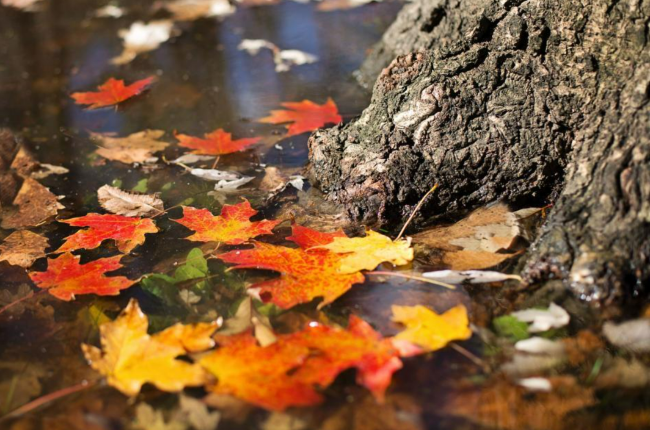
Writing While Leaves Fall to the Ground
This year, the seasonal turn toward autumn feels a little symbolic of something decaying in the world. Many of my clients are showing up to sessions with extra weights of grief, loss, hardship, and questions draped across their shoulders. The sadness is apolitical, nonpartisan. There is a collective sense, as George R. R. Martin famously put it, that “winter is coming.”
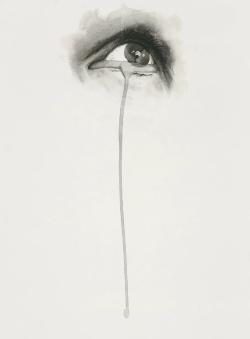
First off, if this describes you, bravo to you for showing up—to our meetings, yes, but also to your stories. Your tenacious commitment and courage rises above despair every time you sit down to do the work. Because let’s face it: it’s hard to concentrate in the thick of so many practical, social, emotional, and spiritual distractions. It’s hard to write through tears.
An inspiring quote has been making the rounds among artists since 2015. It first appeared in The Nation, and although credit for the words rightly goes to novelist Toni Morrison, she adopted the encouragement from a bold friend:
I am staring out of the window in an extremely dark mood, feeling helpless. Then a friend, a fellow artist, calls to wish me happy holidays. He asks, “How are you?” And instead of “Oh, fine—and you?”, I blurt out the truth: “Not well. Not only am I depressed, I can’t seem to work, to write; it’s as though I am paralyzed, unable to write anything more in the novel I’ve begun. I’ve never felt this way before, but the election….” I am about to explain with further detail when he interrupts, shouting: “No! No, no, no! This is precisely the time when artists go to work—not when everything is fine, but in times of dread. That’s our job!”
As the days grow shorter and darker, I’d like to be your bold friend. Please consider these thoughts when you feel you have no strength to write:
-
Don’t resist your feelings. Do resist self-sabotaging mindsets: “I just can’t write today.” You can write something: one sentence, one prayer, one idea, one question. Place one foot in front of the other. If you lie down in the snow, you might not get up again.
-
Write honestly. Storytelling has room for every human experience. Write to understand and articulate yours. Storytellers don’t need to have all the answers. In distressing times, what we need most is humble willingness to seek them. Mistakes and missteps are to be expected on any great adventure. Where do you hope to lead your readers? Let’s go!
-
Write boldly. What you and your characters have to say matters.
Creativity is the opposite of destruction. “Bring something forth,” as Joseph Campbell urges. “Criticize by creating” suggests pastor and writer Mark Batterson, borrowing from Cicero. Your creativity is a light. Abandon it and your corner of the world goes dark; tend it and invite people to gather around the glow.
And if you missed it, watch this important TedTalk by novelist Amie McNee.
I’ll close with Morrison’s full quote:
This is precisely the time when artists go to work. There is no time for despair, no place for self-pity, no need for silence, no room for fear. We speak, we write, we do language. That is how civilizations heal. I know the world is bruised and bleeding, and though it is important not to ignore its pain, it is also critical to refuse to succumb to its malevolence. Like failure, chaos contains information that can lead to knowledge—even wisdom. Like art.
Perspective
“Revolution doesn't have to do with smashing something, it has to do with bringing something forth. If you spend all your time thinking about that which you are attacking, then you are negatively bound to it. You have to find the zeal in yourself and bring that out.” Joseph Campbell, Pathways to Bliss p. 104
Next Week in the Novelists’ Book Club:
Retelling Old Stories
When: Monday October 20, noon Mountain Time
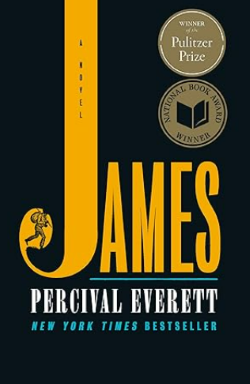
What: We’ll gather to discuss James by Percival Everett as an example of a novel that re-envisions an existing story (in this case, Huckleberry Finn by Mark Twain).
Where: Zoom. Register here to get your link. (If you’ve already registered, the link will be resent Sunday evening October 19.)
Discussion questions:
- Reinvented stories often straddle the realms of fresh and familiar. If you’ve read Huckleberry Finn, what new lens of perception does James bring to Mark Twain’s novel?
- What enduring themes does James explore that are relevant to contemporary readers, even though the story takes place in its original time period (mid-nineteenth century)?
- Retold stories are often both respectful of the original and subversive. How does James demonstrate these qualities?
- How is James completely new or unlike any other story you’ve read?
- What famous story have you contemplated retelling? What about it do you want to explore?
You Might Be Interested In . . .
Question from a Client
"How can I learn to write like the authors I admire?"
The best way to learn how to write is to read. The second-best way is to practice. When combined, these two activities can help you identify and adopt the techniques of writers whose work you like.
If your favorite authors don’t offer a MasterClass, you can still learn from them with a simple daily habit:
Several days a week, spend no more than ten minutes copying a passage by hand from one of their stories. Writing longhand is key. It forces your brain to slow down, helping you notice details you might otherwise overlook.
As you write, pay attention to what intrigues you. Take one or two minutes to note stylistic choices, tone, sentence structure, word selection, dialogue tags, pacing—anything that catches your attention. Track not only what you like, but also what doesn’t appeal to you.
Then, when working on your own writing, “try on” some of the techniques you’ve observed. Don’t aim to imitate directly. Instead, let what you’ve observed guide your voice as you experiment and refine your craft.
Over time, this practice helps you internalize the skills of great writers while still developing a style that’s uniquely your own. Writing well begins with paying attention—and practicing with purpose.

What I’m Reading
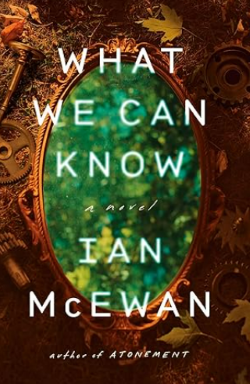
What We Can Know by Ian McEwan (genre bending) 2025 / For those who like: imagining how future humans will think of us, scholar protagonists, themes of loss.
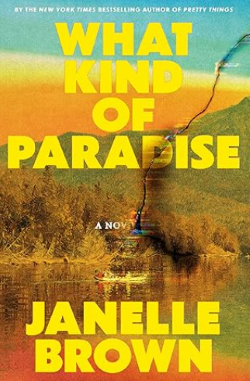
What Kind of Paradise by Janelle Brown (historical mystery) 2025 / For those who like: true-identity discovery tropes, off-grid living, technological themes.
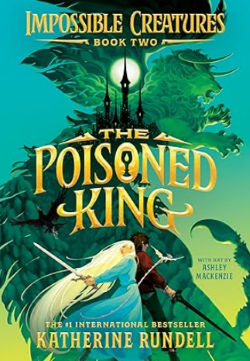
The Poisoned King by Katherine Rundell (MG fantasy) 2025 / For those who like Impossible Creatures, child adventurers, and sassy sphinxes.
|